Washington has no state income tax. Illinois charges 4.95%. At $150,000, you're paying approximately $7,400 more per year in Chicago — and trading rain for cold rather than making a clean weather upgrade. Neither number is in Chicago's favor.
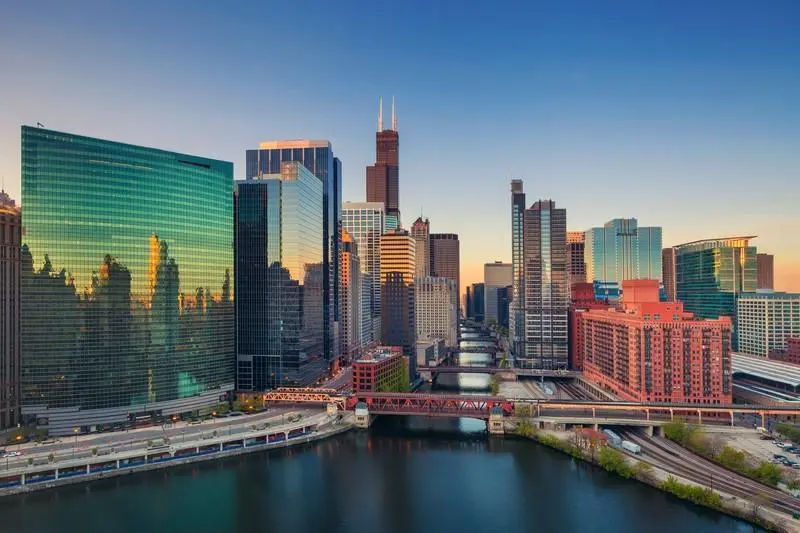
What Chicago does have: a city that's been building itself for 150 years. More transit infrastructure, more architectural density, a food scene that consistently operates at a higher tier, and a lakefront park system that gives the city a scale of public outdoor space Seattle can't match. Premium downtown rent is now comparable between the two cities. The tax difference is real but fixed. Everything else is a judgment about what you want the city around you to actually be.Still in Seattle? Virtual tours available before you commit to the flight.
What Your Budget Actually Buys
Seattle's premium downtown market — South Lake Union, Capitol Hill, Belltown — has converged with Chicago's on rent. At the one-bedroom level, the two cities are now within $200–$400/month of each other at comparable quality tiers. Where the difference shows up is in what you get for the money.
Chicago's premium high-rises in River North, West Loop, and Fulton Market deliver a building amenity standard — doorman, rooftop pool, concierge, gym, co-working spaces — that Seattle's comparable market only partially matches. Seattle has excellent new construction, but the density of fully amenitized high-rise luxury stock that Chicago has built over the last 15 years in its downtown core is substantially greater. The price is similar. The product is different.
| Unit Type | Seattle (2026) | Chicago Downtown (2026) |
|---|---|---|
| Studio | $1,600 – $2,200 | $1,700 – $2,600 |
| 1 Bedroom | $1,900 – $2,800 | $2,200 – $3,800 |
| 2 Bedroom | $2,500 – $3,600 | $3,200 – $5,500 |
The Tax Trade-Off
Washington has no state income tax. Illinois charges a flat 4.95%. This is the single most significant financial variable in the Seattle-to-Chicago relocation and it should be stated directly.
At $150,000 salary, moving to Illinois adds approximately $7,400 in annual state income tax. At $120,000 — a reasonable mid-career tech salary — it's roughly $6,000. That's a real cost. The argument for making that trade is what Chicago delivers in exchange: a larger, more architecturally rich city with a world-class lakefront, a food scene that operates at a higher tier, four genuine seasons, and a cultural infrastructure depth that Seattle, despite its considerable growth, hasn't yet matched.
The Tech Professional Angle
Seattle transplants, more than any other origin city, arrive in Chicago with a specific question: what is the tech ecosystem here?
The honest answer is that Chicago's tech scene is real but different. Google's Midwest headquarters at 320 N Morgan Street anchors a substantial Fulton Market presence. Chicago's fintech and enterprise software sectors are among the strongest in the country. The startup ecosystem is growing but doesn't have the Amazon and Microsoft gravitational pull that defines Seattle's professional community.
Remote workers on Amazon, Microsoft, or big-tech salaries living in Chicago are in an exceptionally strong financial position — similar Bay Area salary leverage in a city that charges Illinois rates and comparable-to-Seattle rent. The income tax trade is real; the total quality-of-life calculation often comes out even or ahead for professionals who want a larger, more established city.
Chicago Neighborhood Equivalents to Seattle
Seattle and Chicago are both walkable, transit-oriented cities with distinct neighborhood identities — the mapping is more direct than LA or Miami comparisons.
| If You're Coming From | Consider in Chicago |
|---|---|
| South Lake Union / Downtown | West Loop, Fulton Market |
| Capitol Hill / First Hill | River North, South Loop |
| Belltown / Waterfront | River North, Streeterville |
| Queen Anne / Lower Queen Anne | Gold Coast, Lakeshore East |
| Fremont / Ballard | Printer's Row, South Loop |
Note: Capitol Hill and Fremont have closer character matches in Chicago's Wicker Park and Logan Square — but those fall outside Dibze's downtown market. The table above covers the closest downtown equivalents.
Not sure which neighborhood fits your profile yet? The best Chicago neighborhoods by lifestyle and profession routes every major renter type to the right starting point. Still deciding between West Loop and Fulton Market, or between River North and Streeterville? The Chicago neighborhood comparison guide runs every head-to-head that Seattle transplants actually face.
Rain vs Cold
Seattle's weather is famously grey and rainy — nine months of overcast skies with mild temperatures. Chicago's winters are cold and dramatic in ways that Seattle's never are — January wind chills below zero, lake effect, real snow.
Seattle transplants adapt to Chicago winters faster than LA, Miami, or even SF transplants. They're accustomed to grey, they're accustomed to the city functioning at full capacity regardless of weather, and they're already familiar with layering. What they're not prepared for — and what consistently surprises them positively — is what Chicago summer is. No grey. No rain. The lakefront at full intensity for four months, a collective outdoor energy that Seattle's cool summers, while pleasant, don't match.
Chicago's Architectural and Cultural Depth
Seattle is a great city that is still becoming itself — much of its residential and cultural identity has been built in the last 25 years, and it shows. Chicago's neighborhoods, architecture, restaurant culture, and institutional infrastructure have been developing for over a century.
The Art Institute of Chicago's collection rivals any museum in the world. The Chicago Symphony at Symphony Center on Michigan Avenue is among the top five orchestras in the country. The architectural stock — a city where building quality and urban design have been a civic priority since the 1870s — is simply different in kind from Seattle's mix of Victorian residential stock and post-2000 glass construction. For Seattle professionals who have found themselves wanting more of what older, more established cities provide, Chicago is the natural destination.
Qualifying Requirements in Chicago
Chicago's professionally managed buildings require gross income of 3x monthly rent and a credit score of 650 or higher, applied consistently across large management companies. Remote workers with documented income — W-2, bank statements showing regular deposits, or a signed offer letter — qualify on standard terms at most buildings. Have documentation current and ready before your tour day. For the full breakdown of what to prepare, see Chicago apartment application requirements.
How to Search from Seattle
Chicago's premium inventory moves within 24–72 hours. Searching remotely without a broker means your shortlist is often gone before you arrive to tour. A Dibze broker builds your list remotely, schedules a full day of tours in Chicago, provides free transportation between showings, and manages the application from Seattle. Free service, up to $500 cashback after signing. Not familiar with how the locator model works? Here's how Chicago apartment locators work and why they're free.
For a full comparison of Chicago rent, taxes, and neighborhoods across all origin cities, see the complete Chicago relocation guide.
Frequently Asked Questions
Is Chicago more expensive than Seattle
On rent, Chicago is slightly to moderately more expensive depending on neighborhood tier. The more significant financial variable is state income tax: Washington has none, Illinois charges 4.95%. At $150,000 salary, the move adds approximately $7,400/year in state income tax. The building quality and amenity standard at comparable Chicago price points is generally higher than Seattle's equivalent.
Does moving from Seattle to Chicago mean paying more taxes
Yes. Washington has no state income tax. Illinois charges a flat 4.95%. At $120,000 salary, that's approximately $6,000/year. At $150,000, it's roughly $7,400. This is a real cost that belongs in the relocation calculation — Chicago's advantages need to justify it explicitly.
How do Chicago winters compare to Seattle winters
Seattle winters are grey, rainy, and mild. Chicago winters are cold — January wind chills below zero, real snow, lake effect. Seattle transplants adapt faster than most other origin cities because they're already accustomed to the city functioning at full capacity regardless of weather. The bigger surprise is how good Chicago's summer is.
What is Chicago's tech scene like compared to Seattle
Chicago has a real and growing tech presence — Google's Midwest HQ at 320 N Morgan Street anchors Fulton Market, and Chicago's fintech and enterprise software sectors are among the strongest in the country. It doesn't have Amazon and Microsoft's gravitational pull that defines Seattle professionally. Remote workers on Seattle-based tech salaries living in Chicago are in a strong financial position despite the income tax trade.
Which Chicago neighborhood is best for Seattle transplants
South Lake Union and Downtown Seattle profiles typically land in West Loop or Fulton Market — closest to Chicago's tech professional cluster. Belltown profiles map to River North or Streeterville. Queen Anne profiles find Gold Coast or Lakeshore East most familiar. See the Chicago neighborhood comparison guide for the head-to-head between your top two options.
Is Chicago's food scene comparable to Seattle
Chicago's food scene operates at a higher tier in terms of Michelin density and breadth across cuisine categories, and at better prices for the quality level. Seattle has excellent Pacific Northwest cuisine and a strong Japanese food scene. Chicago has more depth overall — particularly in Middle Eastern, modern American, and fine dining — and the restaurant culture has been building for longer.
How do I find a Chicago apartment from Seattle
Use a broker. Chicago's premium units move within 24–72 hours. A Dibze broker builds your list remotely, schedules tours for a single Chicago visit, and handles the application from Seattle. Free service, up to $500 cashback.
Do you need a car in Chicago coming from Seattle
In premium downtown neighborhoods, no — similar to living in Capitol Hill or Belltown in Seattle. The CTA covers the city comprehensively, and both O'Hare and Midway are accessible by train. Most Seattle transplants moving downtown don't need a car and either sell theirs or leave it behind.
Before You Sign
- Moving to Chicago from Out of State: The Complete Guide — rent, taxes, and neighborhoods compared across all origin cities in one place.
- Moving to Chicago: What to Know Before You Rent — how the market works, what buildings expect, and how to move fast when the right unit appears.
- Chicago Move-In Fees vs. Security Deposits — what Chicago buildings actually charge at signing and what the law says they can and can't do.
- How to Set Up Utilities in Chicago After Moving — which providers cover which neighborhoods and what to set up before move-in day.
Start your search from Seattle — virtual tours available

Zaineb has lived in Lakeshore East for 12 years and brokers across every neighborhood Dibze serves. She's toured the floor plans, knows which buildings are worth the premium, and tracks what's hitting the market in real time — so renters and buyers get the honest read most listings won't give them.