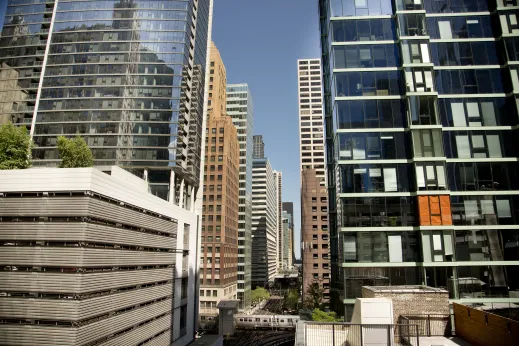
The Loop sits at the center of everything Chicago is — the theater district, the Art Institute, Millennium Park, the Chicago River, and the densest concentration of transit in the region all within a few blocks of each other.
It took longer than surrounding neighborhoods to develop a residential identity, but that has changed. The buildings that have opened here over the past decade rank among the best in the city, and the rents still reflect a market that hasn't fully caught up to the quality on offer. For a city-wide comparison across all nine neighborhoods, see the Best Apartments in Chicago guide.
The Loop Rent Prices
| Unit Type | Starting | Average |
|---|---|---|
| Studio | $1,700 | $2,000–$2,300 |
| 1 Bedroom | $2,300 | $2,700–$3,400 |
| 2 Bedroom | $3,200 | $3,700–$4,800 |
| 3 Bedroom | $4,800 | $5,300–$7,000 |
Rent data sourced from RentCafe/Yardi Matrix, Apartments.com, and Domu for The Loop market as of early 2026. The Loop's average rent runs below comparable addresses in River North and Streeterville — a market still maturing relative to its transit and cultural infrastructure. For a full breakdown by unit type, see Average Rent in The Loop Chicago.
Top Loop Apartment Buildings
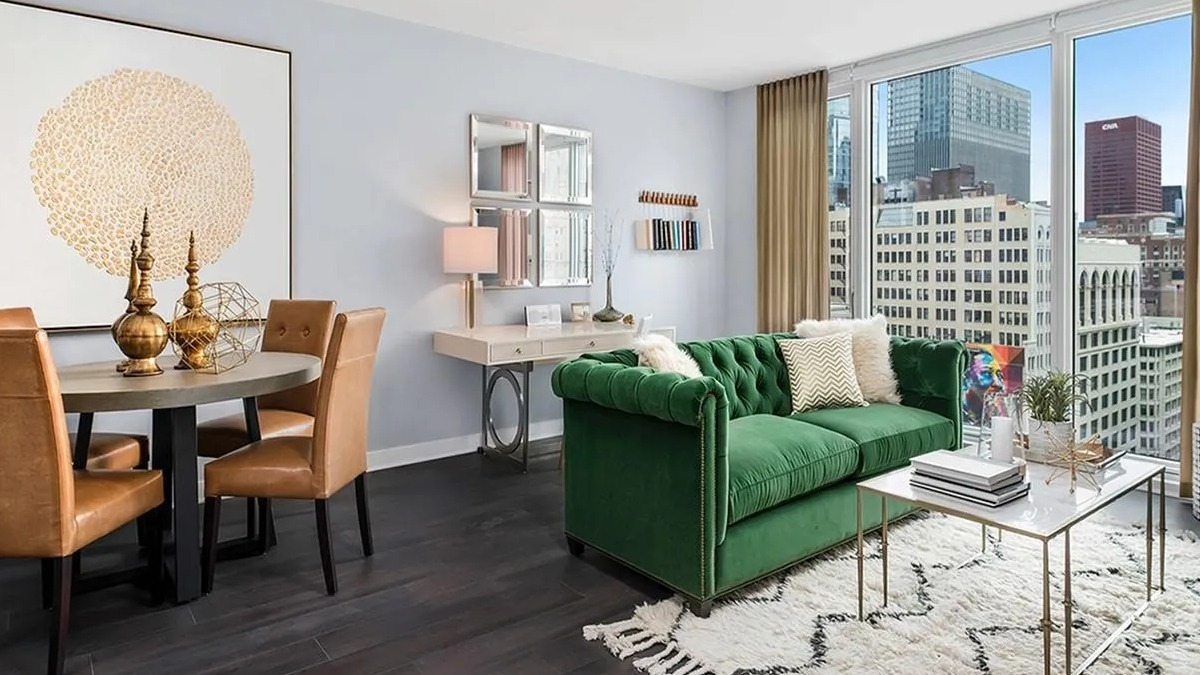
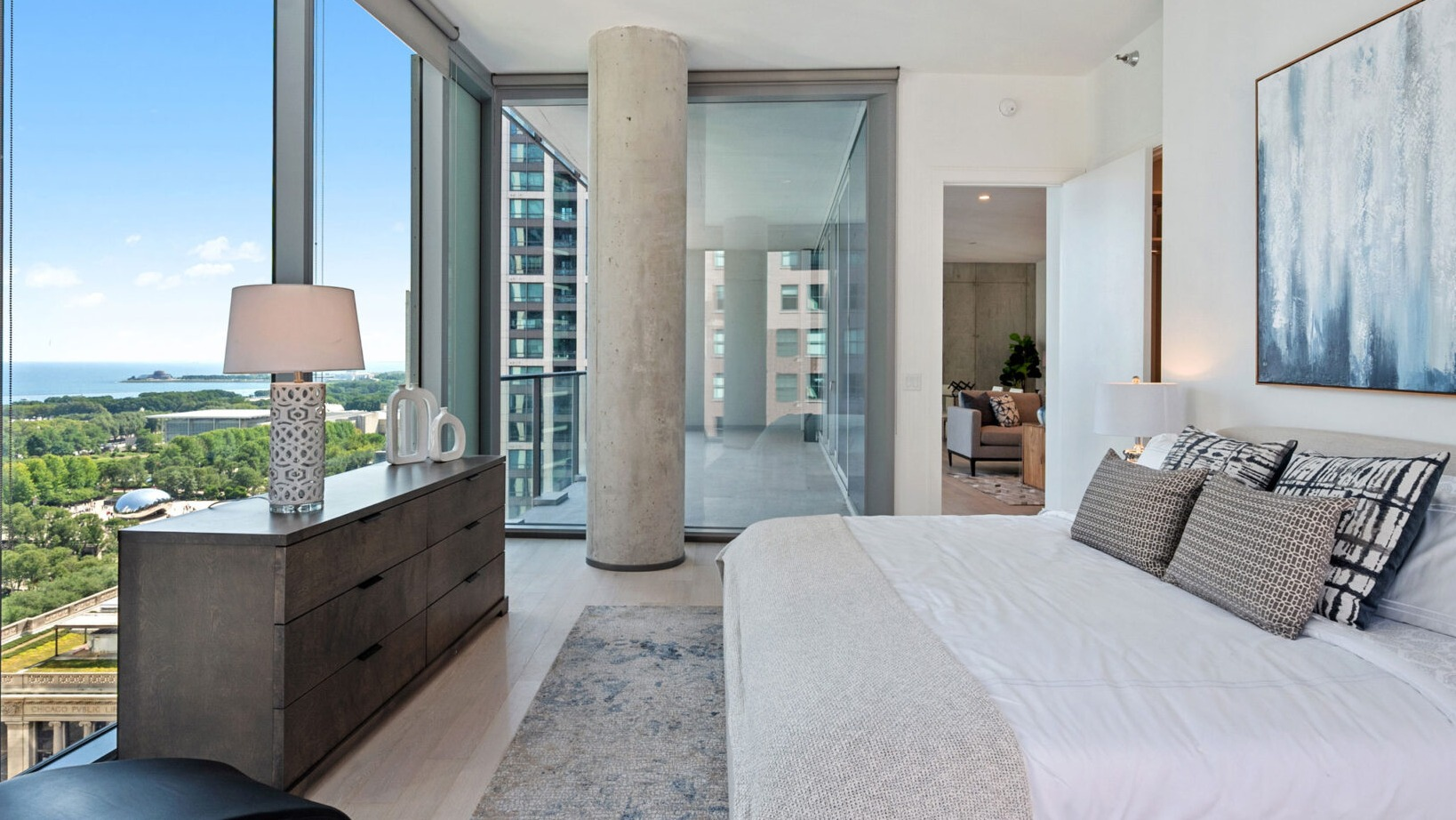
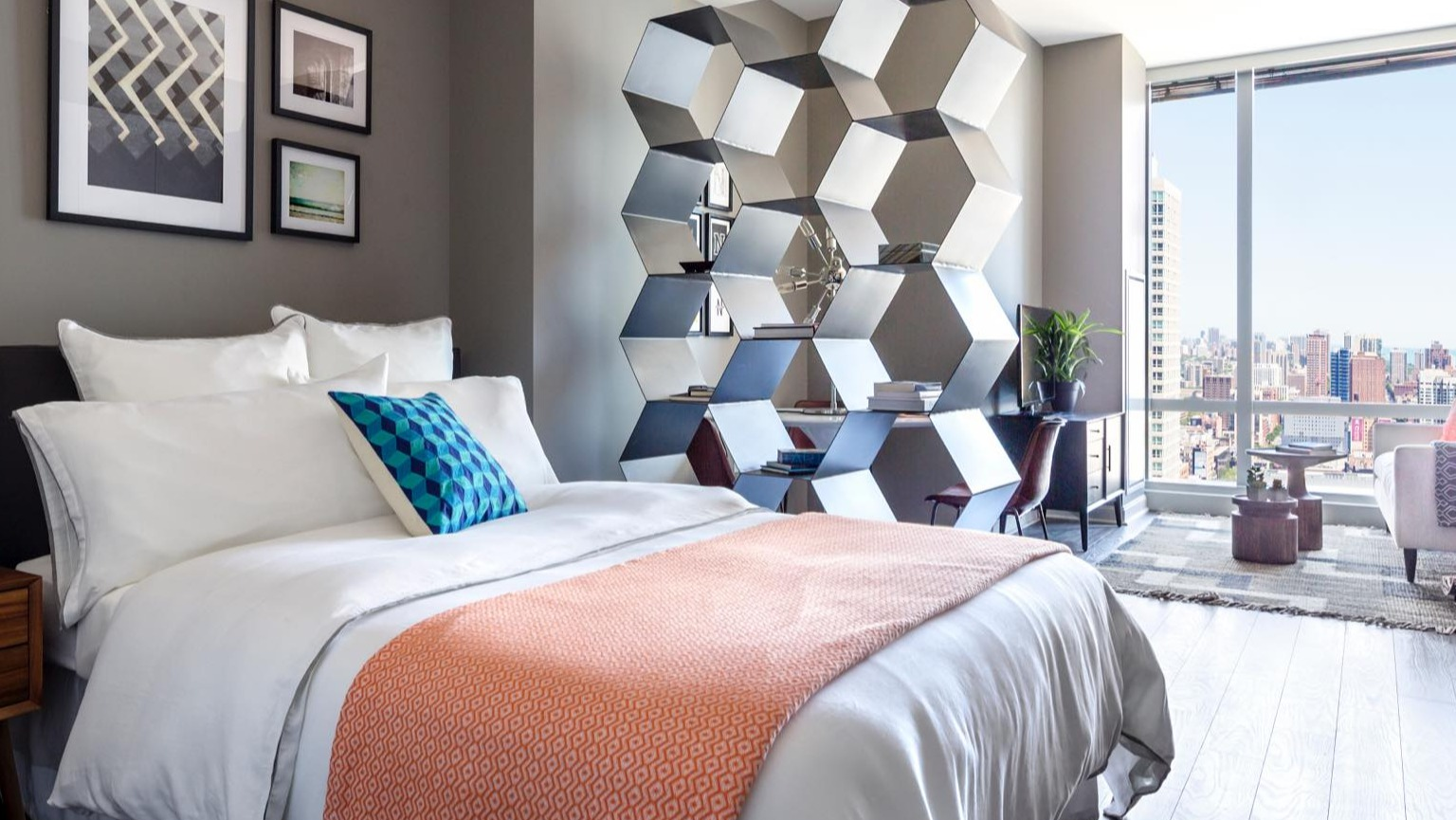
Why the Loop Has Become a Residential Neighborhood
For most of Chicago's history, the Loop emptied out after 5pm. Office towers, financial institutions, and retail anchored the neighborhood during the day, but there was almost nothing to come home to after work. That has changed substantially. The combination of office-to-residential conversions, new ground-up construction, and the expansion of the Riverwalk, Millennium Park, and the theater district as evening destinations has given the Loop a genuine residential infrastructure.
The Loop's Transit Advantage
No neighborhood in Chicago has a transit network like the Loop. Every CTA L line either runs through or terminates here. Metra's downtown stations — Ogilvie, Union, Millennium, LaSalle Street, and Randolph Street — connect the Loop to the entire Chicago metro area. For residents who commute by transit or need to reach multiple parts of the city and suburbs regularly, the Loop's transit infrastructure is a genuine residential amenity that neighborhoods with better restaurant scenes or newer buildings cannot replicate.
Loop Conversions vs New Construction
215 West is a conversion building rather than a purpose-built rental tower. The distinction matters — conversions tend to offer more volume per unit, higher ceilings, and a structural scale that ground-up residential construction rarely provides at comparable rents. The trade-off is that amenity packages are sometimes narrower than in purpose-built buildings. Marquee at Block 37, Parkline, OneEleven, MILA, Millie on Michigan, and Linea are all purpose-built with amenity packages designed for rental living from the start.
Frequently Asked Questions About The Loop
What is the average rent in The Loop Chicago
Studios start around $1,700 and average $2,000–$2,300. One-bedrooms start at $2,300 and average $2,700–$3,400. Two-bedrooms start at $3,200 and average $3,700–$4,800. The Loop's average rent runs below comparable addresses in River North and Streeterville — a market still maturing relative to its transit and cultural infrastructure. See Average Rent in The Loop Chicago for a full breakdown.
Which Loop building has the best Millennium Park views
Parkline and Marquee at Block 37 are both on Randolph Street facing Millennium Park. Parkline sits directly across from the park and delivers the most direct north and east-facing views. Units at upper floors of both buildings with confirmed park-facing orientation command a meaningful premium and move quickly — expect to pay $300–$600 per month more for a confirmed park-view unit.
Which Loop buildings have a pool
All seven buildings on this list have pools confirmed in buildings.md: Marquee at Block 37, Parkline, OneEleven, MILA, Millie on Michigan, Linea, and 215 West. If a pool is a requirement, the Loop is one of the strongest neighborhoods in Chicago for pool availability across its building inventory.
Is the Loop good for car-free living
The Loop is the best neighborhood in Chicago for car-free living. Walk scores at Loop buildings consistently register 98–99. Every CTA line, five Metra stations, Divvy, and the Riverwalk water taxi are all accessible without a car. Residents who eliminate a car payment and parking costs can redirect that budget toward a meaningfully better unit.
What is parking like in The Loop
Monthly parking at Loop buildings runs $250–$350 per month — among the most expensive in the city. Most residents in the Loop do not maintain a car. For renters who do drive regularly, parking costs should be factored explicitly into budget comparisons against neighborhoods where parking runs $150–$200 per month.
What is MILA's neighborhood — Loop or Lakeshore East
MILA is a Loop building. It markets under the Lakeshore East name for positioning purposes, but the building is classified as Loop in Dibze's inventory and sits at the eastern edge of downtown. Renters who want the full master-planned Lakeshore East experience — the private 6-acre park, GEMS Academy, and the enclosed neighborhood character — should look at the dedicated Lakeshore East buildings. MILA delivers Loop proximity with an eastern position, not the full Lakeshore East neighborhood experience.
Is the Loop a good neighborhood to live in
The Loop is the right neighborhood for a specific renter: someone whose work is in the Loop, who commutes by transit or works car-free, and whose social life happens in other neighborhoods rather than on their street. It is not River North — the nightlife and street energy don't compare after 6pm. It is not West Loop — the restaurant density is not there. But for zero-commute living with Millennium Park, the Art Institute, and the Riverwalk as daily assets, no neighborhood in Chicago competes with it. See Living in The Loop Chicago for a full lifestyle breakdown.
Working with a locator in The Loop
Every building on this list pays referral fees to licensed apartment locators — meaning renters who work with Dibze pay nothing. We track live availability and current concessions across all Loop buildings simultaneously and can have tours on the calendar the same day you reach out.
How to Choose the Right Loop Building
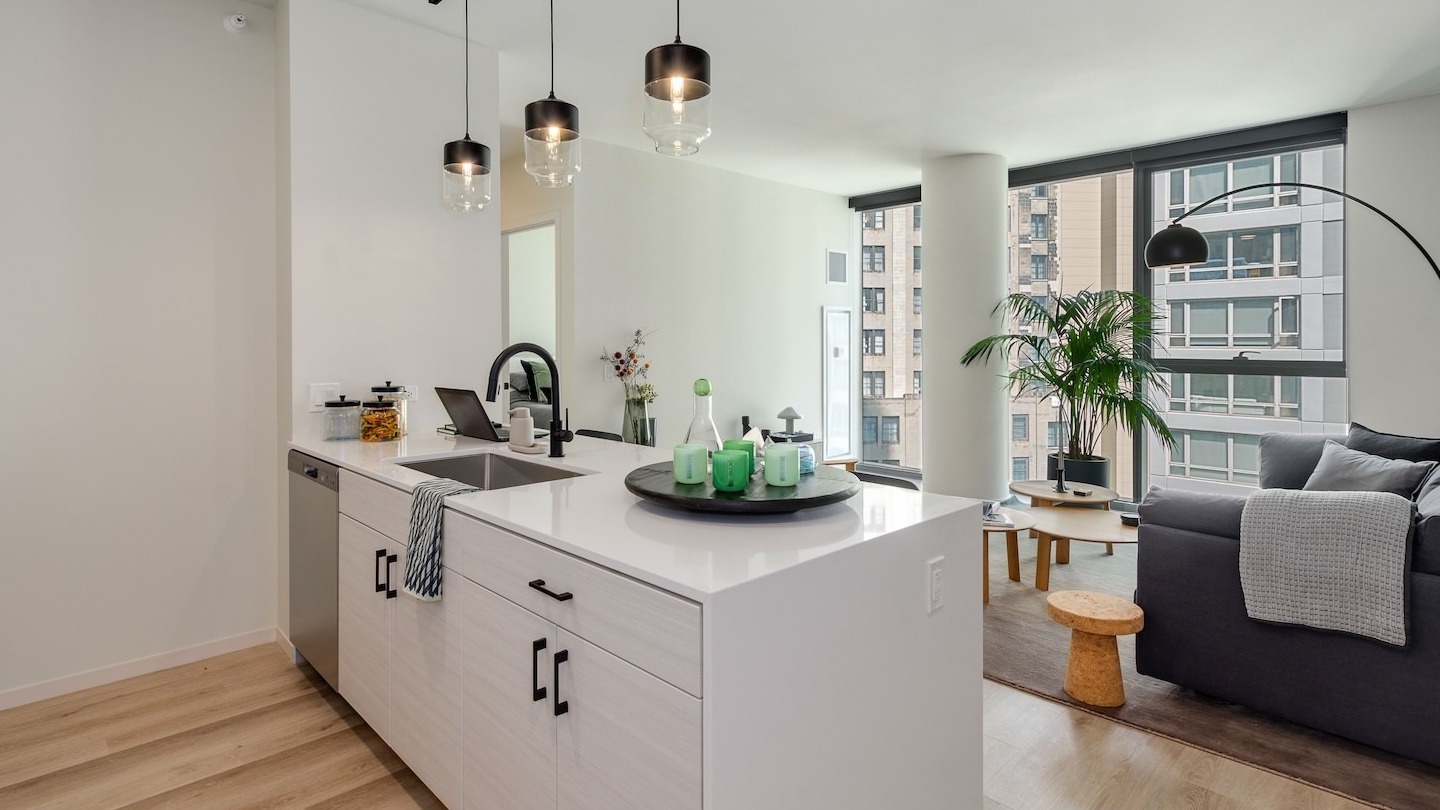
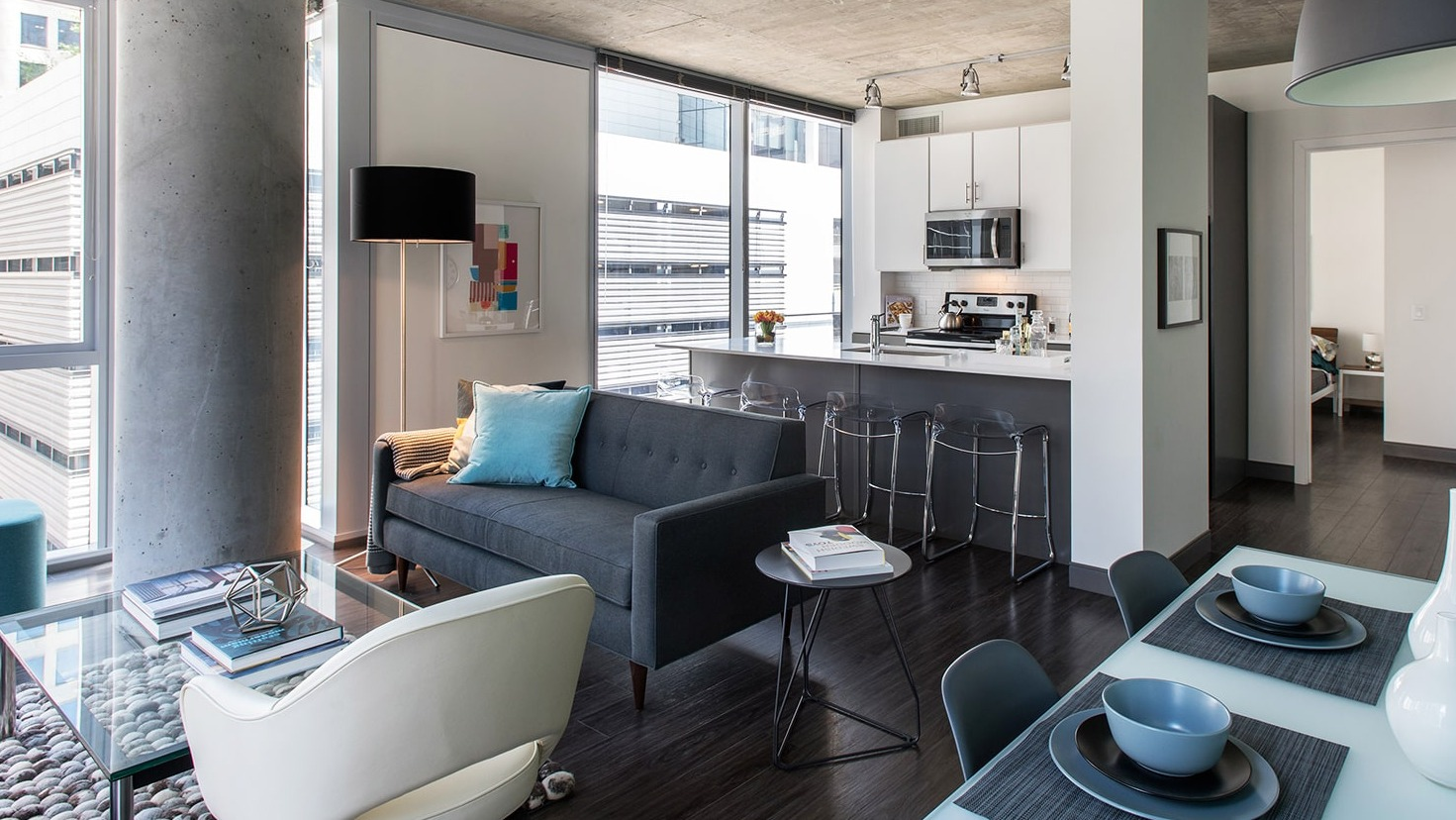
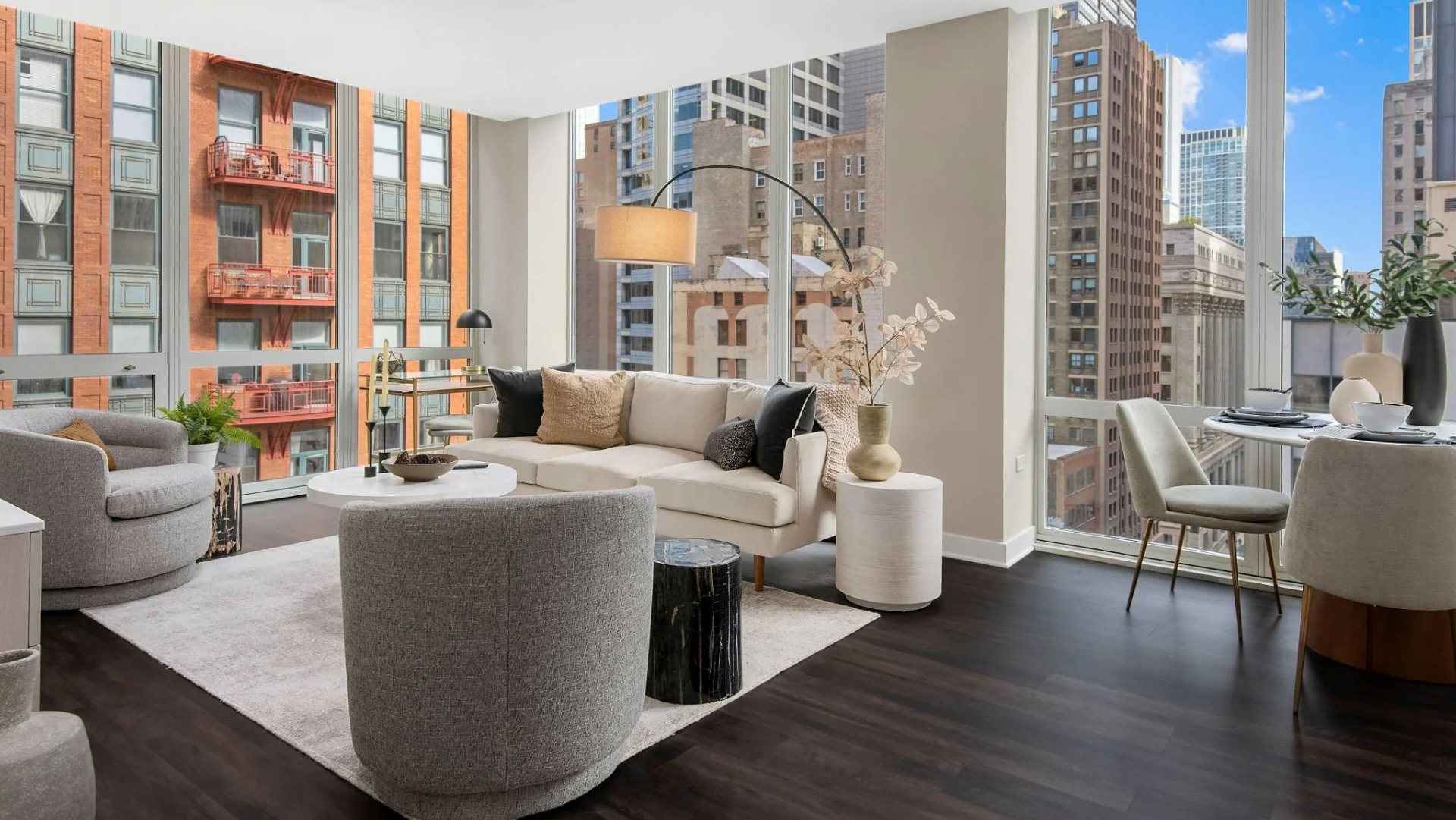
For Millennium Park views: Parkline. For theater district centrality with a movie theatre and sauna: Marquee at Block 37. For a river address on Wacker: OneEleven. For the Loop's eastern edge with balconies and park views: MILA. For Michigan Avenue and the Art Institute as neighbors: Millie on Michigan. For the Loop's western edge with spa and West Loop adjacency: Linea. For the full amenity stack at the Loop's most competitive price point: 215 West.
Dibze works with all major buildings in the Loop at no cost to renters. We can pull live availability across every building on this list, match units to your move date and budget, and have tours on the calendar the same day.
Related Loop Guides
- Average Rent in The Loop Chicago — current rent ranges by unit type with market context
- Living in The Loop Chicago — lifestyle, walkability, dining, and commute breakdown
- The Loop vs Printer's Row — side-by-side neighborhood comparison
- Best Apartments in Lakeshore East Chicago — Loop-adjacent buildings in the master-planned Lakeshore East neighborhood
- Best Apartments in Chicago — all nine neighborhoods compared
- Browse live Loop availability — current inventory with real-time pricing

Zaineb has lived in Lakeshore East for 12 years and brokers across every neighborhood Dibze serves. She's toured the floor plans, knows which buildings are worth the premium, and tracks what's hitting the market in real time — so renters and buyers get the honest read most listings won't give them.