
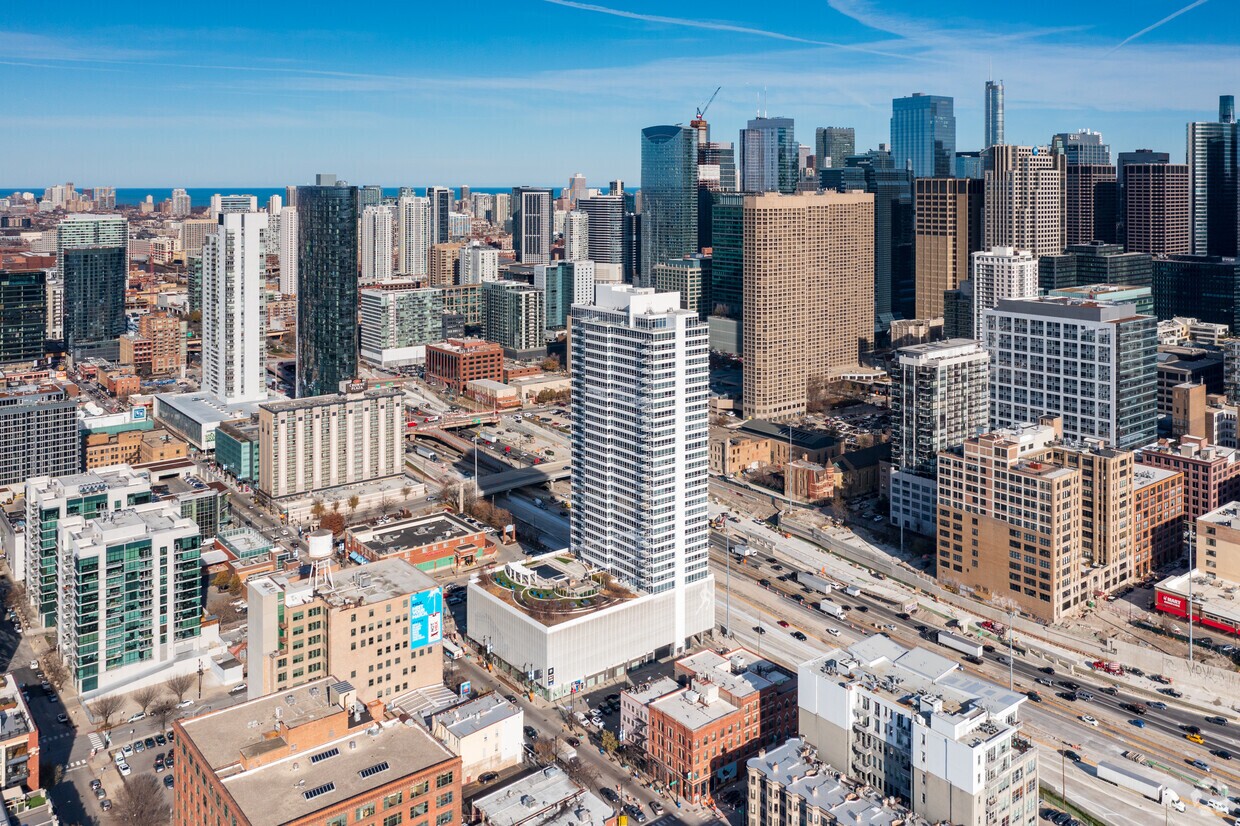

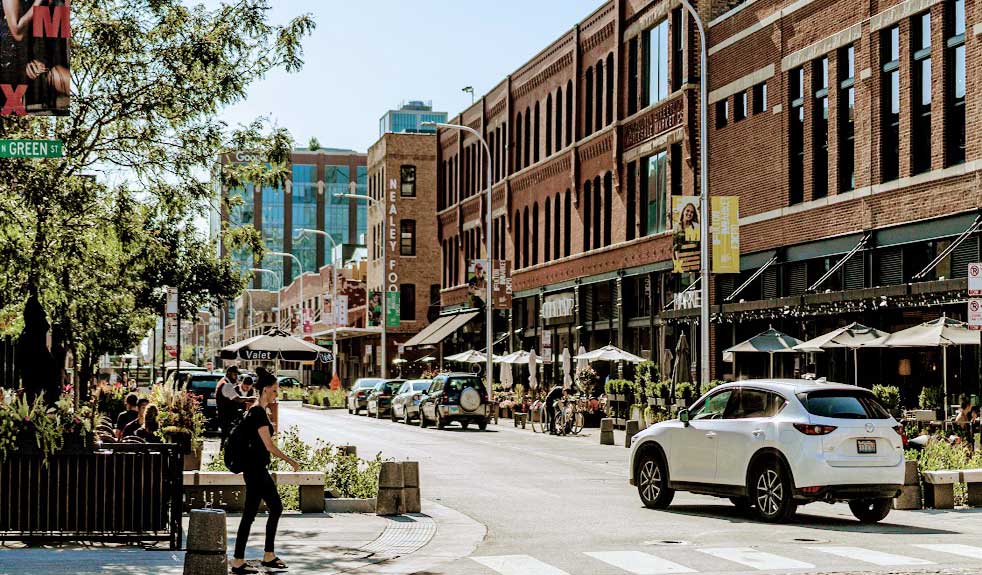
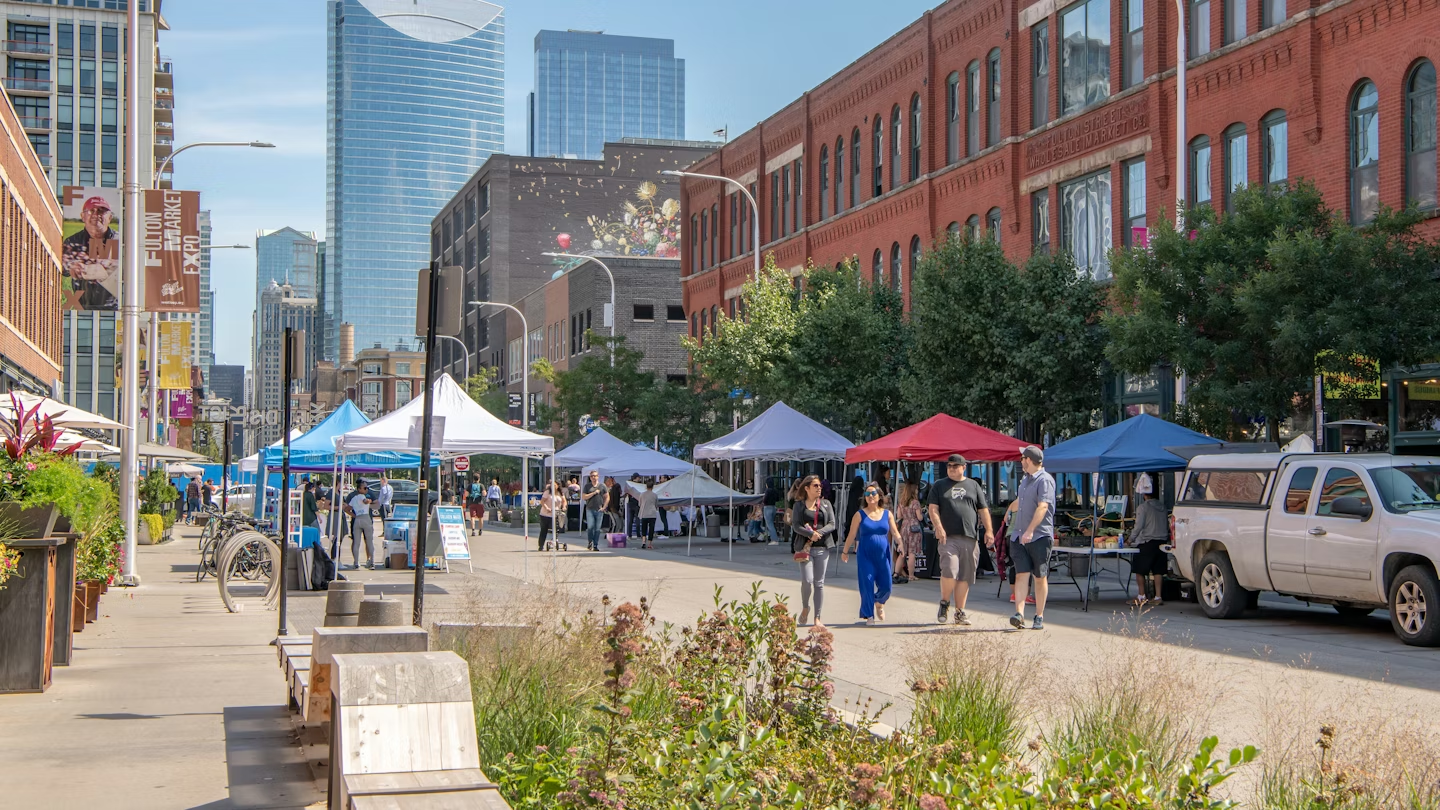
West Loop is Chicago's most transformed neighborhood — a former meatpacking and warehouse district turned premier live-work-eat destination, anchored by Fulton Market, Randolph Street's Restaurant Row, and the Google and McDonald's headquarters that remade the area over the past decade. The honest version: what drives demand here is mostly proximity to jobs and status, and renters who go in knowing that tend to do well.
Rents have climbed well past what older guides suggest. Studios now average $2,461/month, one-bedrooms $3,094, and two-bedrooms $4,459 across the neighborhood's current listings. Presidential Towers, long West Loop's budget anchor, is now categorized under the Loop rather than West Loop in current data — part of why today's averages read higher than they used to, since the remaining West Loop stock skews newer and pricier without it.
727 West Madison and Porte Apartments sit at the top of the market for renters chasing new construction; Coppia and Avra West Loop are the more accessible entry points, both averaging under $2,750 for one-bedrooms. Arkadia West Loop remains a solid mid-market pick. For groceries and daily errands, Whole Foods and Mariano's both anchor the neighborhood, and the Green and Pink Line stops keep it from being fully car- or Uber-dependent.
Randolph Street between Halsted and the highway is one of the best dining corridors in the city — Au Cheval and Momotaro anchor it, with the strip extending north into Fulton Market past Duck Duck Goat and LYRA. Weekend brunch means crowds; the density means you'll always find a table somewhere, just maybe not at the place you wanted first.
That access comes at a cost of neighborhood scale: renters who came for restaurants, energy, and easy transit tend to stay; renters who expected a slower, more residential feel sometimes find the novelty thins out after a year. The guides below cover real prices, the best buildings at every budget, and what daily life here is actually like.