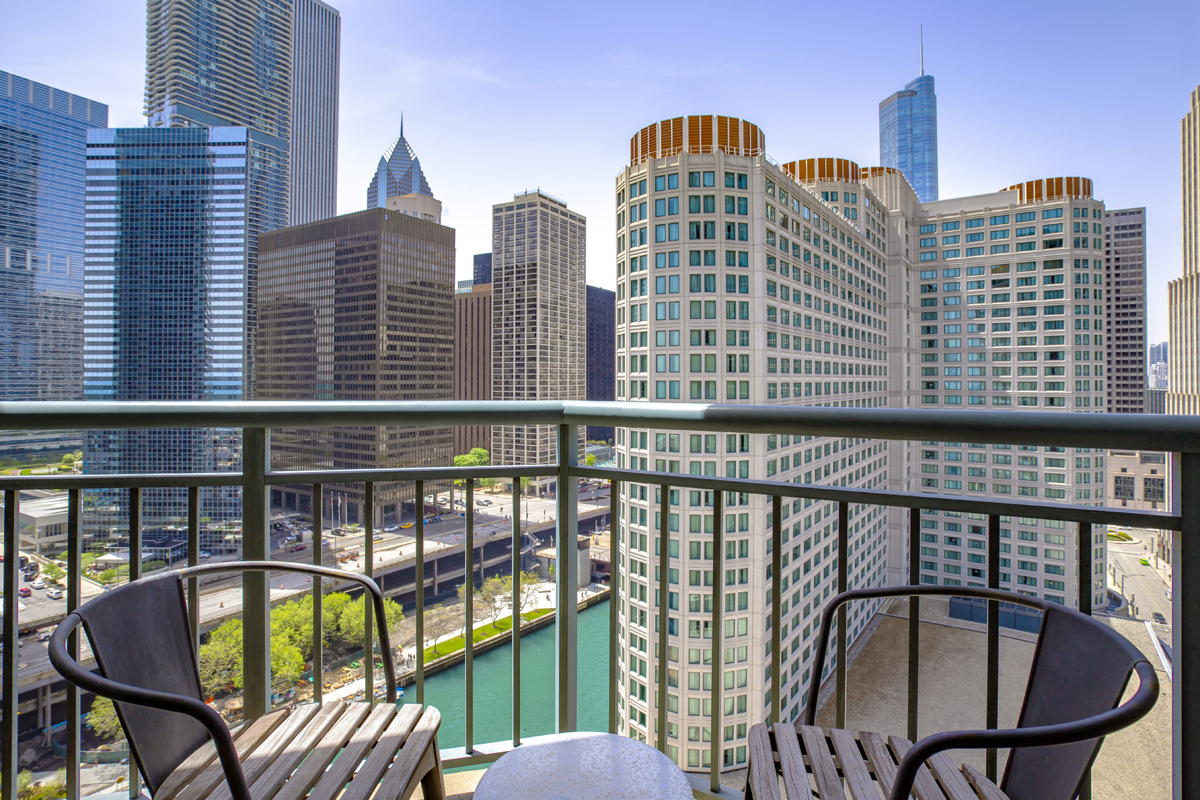
Is it smarter to rent or buy in Chicago right now? For most people, the answer is renting — but the reasoning matters as much as the conclusion. Chicagoans typically rent for 2-3 years before they buy, but since interest rates have gone up, many old renters are renewing their leases causing new renters to fight over highly inflated, undesirable inventory. This is the stark reality at the moment in the Chicago rental market. If you're relocating to Chicago or deciding between leasing an apartment or committing to a mortgage, this guide breaks it down. For a full overview of Chicago's rental market, see the Chicago Renter's Guide.
Understand the Cost Gap
Buying costs more upfront and long-term.
Chicago median home prices ranged from approximately $345,000 to $390,000 as of early 2026. Monthly mortgage payments including taxes and insurance typically run $2,400–$3,200 with a standard 20% down payment at current rates — and that's before HOA fees, which are a significant additional cost in most downtown buildings. Compare that to renting a one-bedroom in River North or West Loop for $2,300–$2,800 — with no down payment, no HOA, and no maintenance costs. For a detailed picture of what rent looks like across every downtown neighborhood, see Average Rent in Chicago.
Factor in Flexibility
Renting gives you more freedom.
Whether you're changing jobs, finishing school, or new to the city, leases offer short-term flexibility. You're not locked into one location or responsible for selling during a down market. In a city with 77 neighborhoods and evolving job hubs, that mobility matters.
In Chicago's most in-demand downtown neighborhoods, renting is the dominant choice. Areas like River North, the Loop, and Streeterville are heavily renter-dominated — driven by high housing costs, professional mobility, and the quality of rental inventory available.
Browse Chicago apartments on Dibze →
Consider Hidden Ownership Costs
Owning means more than a mortgage.
HOA fees, property taxes, repairs, special assessments, and rising insurance premiums can quickly turn "affordable" into "expensive." In many Chicago high-rises, HOA fees alone range from $500–$1,200/month. Renters avoid these costs entirely. When you add HOA fees to a typical mortgage payment, the monthly cost of ownership frequently exceeds comparable rental pricing by a significant margin.
Account for Market Conditions
Chicago's real estate market has moved toward balance in 2026.
Home appreciation has moderated after the volatility of prior years, and higher borrowing costs continue to affect affordability. Renting lets you live in a prime neighborhood without betting on market timing or waiting out rate cycles. Many condo owners in the city bought their homes years ago and have seen appreciation eaten by HOA costs and assessments over time.
Consider Lifestyle Fit
Home doesn't have to mean ownership.
Many of Chicago's most desirable high-rises are rentals, with rooftop pools, fitness centers, dog spas, and coworking lounges. By contrast, most condos limit amenities to reduce HOA fees. Renting no longer means "temporary" — for remote workers, urban professionals, or anyone prioritizing convenience, top-tier rentals deliver ownership-quality living.
When Buying Still Makes Sense
If you're earning over $150,000, plan to stay in Chicago long-term, and can put 20% down, ownership could help you build equity. Without stability or a solid financial cushion, it may turn into a burden rather than a benefit.
Why People Still Choose to Buy
Buying isn't just about money — it's about mindset. For many, ownership brings a sense of stability, pride, and control over your space. If you want to remodel your kitchen, install smart lighting, or have complete privacy, ownership gives you that freedom.
For those planning to stay in Chicago for 7+ years, buying can help build equity over time, especially in neighborhoods with strong resale value. Fixed mortgage payments also offer predictability compared to rising rents. Property taxes in Chicago are lower than coastal cities, and in some cases you can buy a condo for less than a high-end rental, especially in older boutique buildings. Buyers also gain access to tax deductions and long-term investment potential.
Final Verdict: Renting Wins for Most Chicago Renters
For most people in Chicago, renting makes more financial and lifestyle sense. The flexibility, lower risk, and access to top-tier buildings outweigh the ownership perks — especially when HOA fees, maintenance costs, and current borrowing rates are factored in. If you've decided to rent, the neighborhood comparison guide is the best next step for narrowing down where to live, and Best Apartments in Chicago covers the buildings worth seeing once you've picked a neighborhood.
Get Help Renting with Dibze
Don't settle for outdated listings or unverified platforms. Dibze pairs you with a real local broker who finds you verified apartments, books same-day tours, and provides free transportation between showings — at no cost to you.
Start your apartment search — get a custom list based on your budget and prefrences
Frequently Asked Questions
Is it better to rent or buy in Chicago
For most people right now, renting. Elevated interest rates, HOA fees, and maintenance costs make buying expensive relative to renting — especially downtown. Buying makes sense if you plan to stay 7+ years, can put 20% down, and earn over $150,000.
What is the median home price in Chicago
Chicago median home prices ranged from approximately $345,000 to $390,000 as of early 2026. Monthly mortgage payments including taxes and insurance typically run $2,400–$3,200 with a 20% down payment at current rates.
How much are HOA fees in Chicago condos
$500–$1,200/month in most high-rise buildings. These are in addition to the mortgage and are not tax-deductible in most cases.
What are the hidden costs of buying in Chicago
HOA fees, property taxes, homeowner's insurance, special assessments, maintenance, and closing costs of 2–5% of purchase price. Many buyers underestimate how quickly these stack against comparable rental costs.
When does buying make more sense than renting in Chicago
If you plan to stay 7+ years, can put 20% down, and earn over $150,000. Without that combination, renting is usually the more financially sound choice.
What percentage of downtown Chicago residents rent
Downtown neighborhoods are heavily renter-dominated. River North, the Loop, and Streeterville all have renter populations well above the citywide average.
Are Chicago rental amenities comparable to condos
Often better. Chicago's luxury rental buildings offer rooftop pools, fitness centers, dog spas, and concierge service. Most condos limit amenities to reduce HOA fees.
Can you build wealth by renting instead of buying in Chicago
Yes — if the monthly savings from renting vs buying are invested consistently. The cost gap between renting and buying in comparable Chicago locations can be $500–$1,000+/month, which invested over 7–10 years can match or exceed equity built through ownership.

Zaineb has lived in Lakeshore East for 12 years and brokers across every neighborhood Dibze serves. She's toured the floor plans, knows which buildings are worth the premium, and tracks what's hitting the market in real time — so renters and buyers get the honest read most listings won't give them.